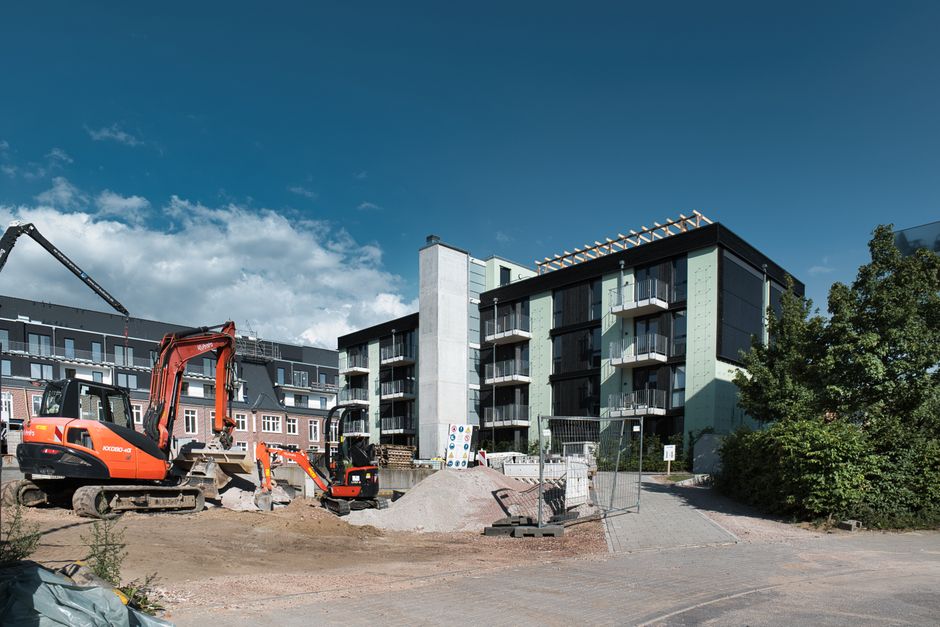
Commercial construction encompasses a wide range of services and projects that cater to the needs of businesses, organizations, and public entities. From office buildings and retail spaces to industrial facilities and educational institutions, the scope of commercial construction is vast and varied. Understanding the intricacies involved in this sector can help stakeholders make informed decisions, whether they are planning a new project or looking to renovate an existing space. This article will explore the essential aspects of commercial construction, including services offered, key considerations for choosing a contractor, project management, types of projects, cost estimation, and industry standards.
Overview of Commercial Construction Services
Commercial construction services typically include project planning, design, financing, and execution. These services often involve collaboration among architects, engineers, contractors, and clients to ensure the final product meets the desired specifications and functionality. Key services may include:
- Design and Architecture: Developing comprehensive blueprints and models that reflect the client’s vision and comply with zoning laws.
- General Contracting: Overseeing the entire construction process, including subcontractor management and material procurement.
- Renovation and Remodeling: Updating or altering existing structures to meet current standards or changing needs.
- Site Development: Preparing land for construction, which may include grading, excavation, and utility installation.
Key Considerations in Choosing a Commercial Contractor
Selecting the right contractor is a crucial step in the commercial construction process. Here are some key considerations to keep in mind:
- Experience: Look for a contractor with a proven track record in commercial projects similar to yours.
- Reputation: Research reviews, testimonials, and past projects to gauge the contractor's reliability and quality of work.
- Licensing and Insurance: Ensure that the contractor has the necessary licenses and insurance coverage to protect against potential liabilities.
- Communication: A good contractor will maintain open lines of communication and provide regular updates throughout the project.
Understanding Project Management in Commercial Construction
Effective project management is vital to the success of commercial construction projects. A project manager is responsible for planning, executing, and closing projects, ensuring that they are completed on time and within budget. Key responsibilities include:
- Budget Management: Monitoring expenses and making adjustments as necessary to avoid overruns.
- Scheduling: Developing timelines and ensuring that all parties adhere to the agreed-upon schedule.
- Quality Control: Implementing measures to ensure that the work meets the required standards and specifications.
Types of Commercial Construction Projects
Commercial construction projects can be classified into several categories, including:
- Office Buildings: Structures designed for business use, ranging from small offices to large corporate headquarters.
- Retail Spaces: Stores and shopping centers that cater to consumer needs.
- Industrial Facilities: Warehouses, factories, and distribution centers that support manufacturing and logistics.
- Institutional Buildings: Schools, hospitals, and government buildings that serve public interests.
Estimating Costs and Timelines for Commercial Builds
Accurate cost estimation and timeline development are essential for successful commercial construction projects. Factors influencing costs include:
- Materials: The type and quality of materials selected for the project.
- Labor: The cost of skilled labor required to complete the construction.
- Site Conditions: Unique characteristics of the land that may impact construction methods and costs.
Creating a comprehensive budget and timeline helps ensure that stakeholders have realistic expectations and can plan accordingly.
Industry Standards and Regulations in Commercial Construction
Adhering to industry standards and regulations is critical in commercial construction. Compliance ensures safety, quality, and sustainability. Important aspects include:
- Building Codes: Regulations governing construction practices to ensure safety and accessibility.
- Environmental Regulations: Standards that protect the environment during construction and promote sustainability.
- Health and Safety Standards: Guidelines to ensure the safety of workers and the public during the construction process.
Understanding and complying with these regulations is essential for any successful commercial construction project.
In conclusion, commercial construction is a multifaceted field that requires careful planning, skilled professionals, and adherence to industry standards. By understanding the various aspects of this sector, clients can make informed decisions and achieve successful outcomes for their projects. For more information on commercial construction services and expertise, visit No Limit Construction.